
Authority Stealing
Fela Kuti, Frederick Douglass, and the Unfinished American Experiment

“Authority Stealing.” The title belongs to Fela Kuti.
Released in 1980, the song is a blistering indictment of governments that confuse power with entitlement. Leaders who forsake the sacred trust of public office. Leaders who use their position as permission to plunder. Fela understood that corruption is rarely just about losing money. It is about losing legitimacy. It is the theft of a nation’s faith in itself.
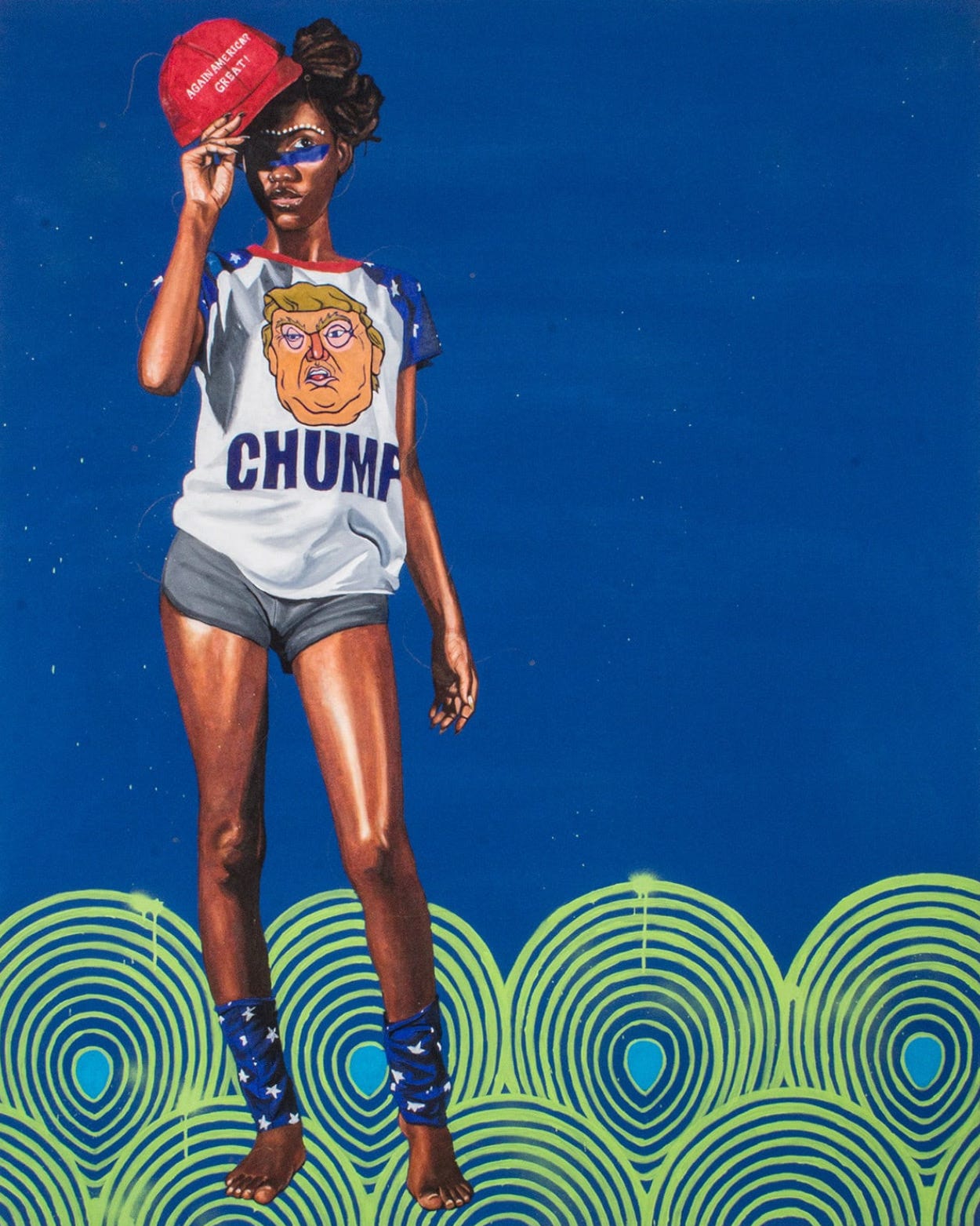
I’ve been thinking about that song a lot lately.
Perhaps because today America celebrates its 250th birthday.
Or perhaps because I’m no longer sure what exactly is being celebrated.
The older I get, the more I accept that the finished image rarely reflects the labor required to create it. Paintings conceal revisions beneath their surface. Every confident brushstroke rests atop uncertainty, correction, failure, and persistence.
Nations are no different.
America presents itself as the world’s oldest modern democracy. A beacon. A melting pot. A place where possibility outweighs circumstance.
And in many ways, it has been.
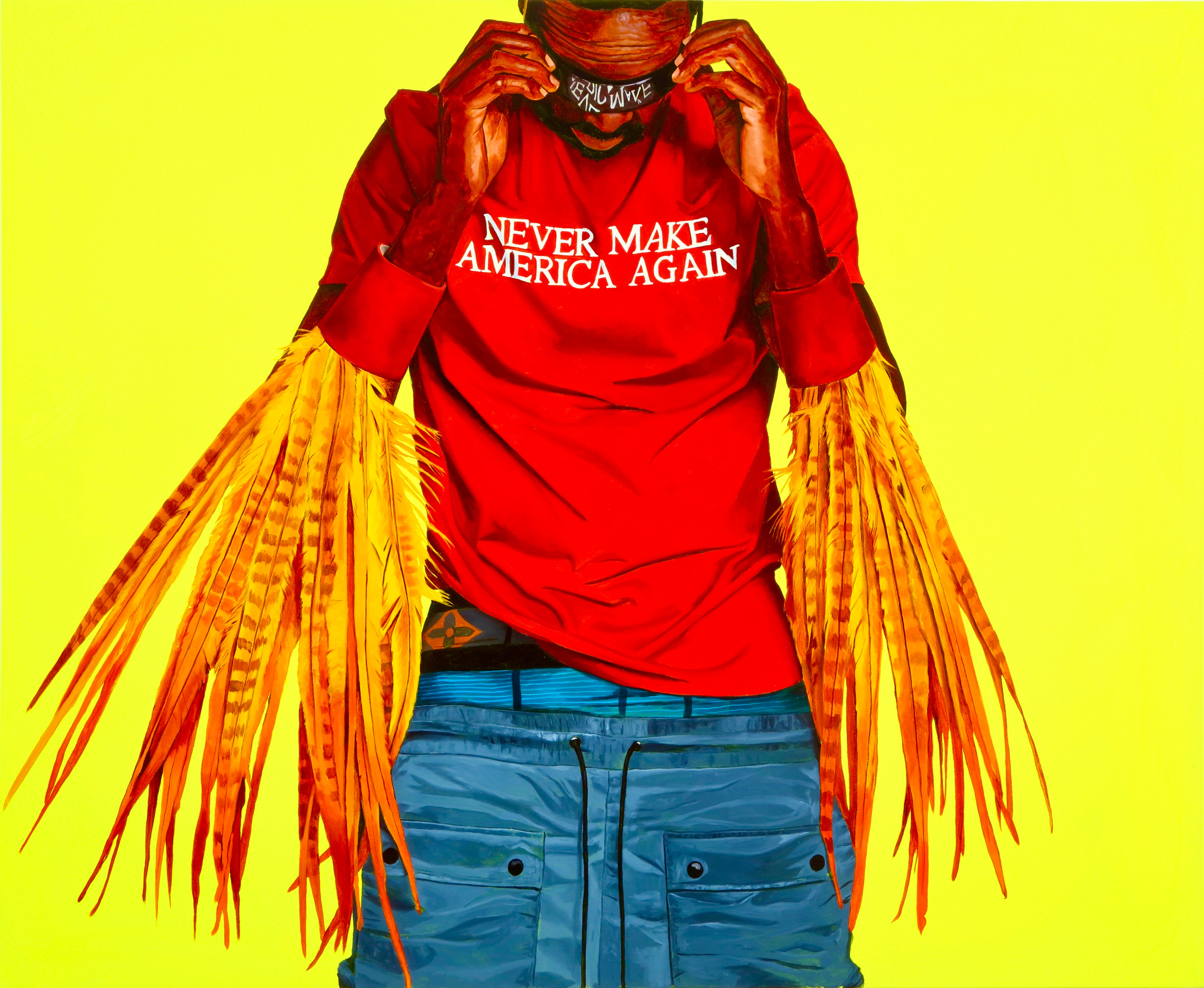
But only because generations of ordinary people forced it to become something closer to its own ideals.
The Constitution itself anticipated imperfection. Amendments exist because the founders understood that freedom would require revision. Disagreement wasn’t evidence that democracy had failed. It was evidence that democracy was functioning.
The American experiment has always depended on the willingness to confront its own contradictions.
Which is precisely why Frederick Douglass’ What to the Slave Is the Fourth of July? remains one of the most important speeches ever delivered.
Douglass did not reject the founding ideals.
He demanded that America stop betraying them.
His question wasn’t simply rhetorical.
What is a celebration of liberty to those systematically denied it?
Today, I find myself asking a similar question.
What is a 250-year celebration to a nation struggling to maintain its own identity?
What does independence mean when democratic institutions are treated as obstacles rather than obligations?
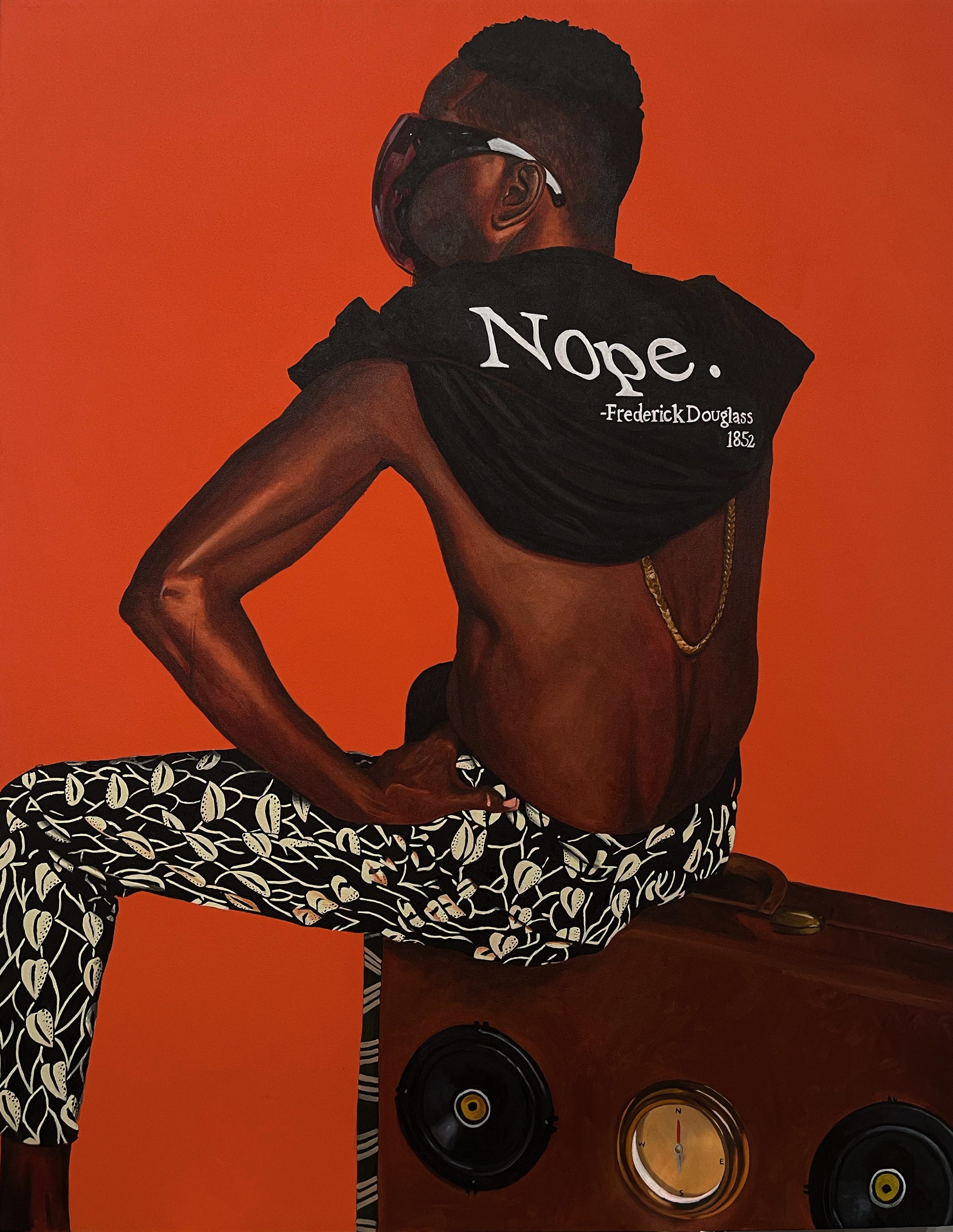
What does patriotism become when constitutional principles are selectively applied, historical truths deliberately obscured, and public office increasingly viewed as an opportunity for private enrichment?
The greatest theft occurring in America today is not merely financial. It’s moral.
Authority itself has been stolen.
Not authority in the sense of power.
Authority in the sense of credibility.
Of trust.
Of shared purpose.
Public institutions have become instruments of personal ambition. Loyalty has replaced principle. Truth has become negotiable.
The tragedy is that none of this is particularly new.
History is full of examples where leadership confused endurance with invincibility.
Two hundred fifty years ago this nation declared independence from a king whose power had become indistinguishable from exploitation.
The American revolution was not simply against taxation. It was against unaccountable authority.
Against a government that extracted from its people while refusing to answer to them.
It is difficult to ignore the irony that, two and a half centuries later, America finds itself confronting many of the same questions.
Not because history repeats itself exactly.
But because power rarely invents new habits.
It simply changes costumes.
Perhaps this is why Fela still sounds contemporary.
And why Douglass still feels prophetic.
Both understood that patriotism is not obedience.
It is accountability.
Love of country is measured not by how loudly one celebrates it, but by how honestly one confronts its failures.
I love the idea of America enough to insist that it become what it has always claimed to be.
That is not cynicism.
That is patriotism.
Such poignant, wise writing. Thank you for sharing your creative expression with us.
“Not because history repeats itself exactly.
But because power rarely invents new habits.”